
The Allure of Risk-Taking
The world of casino betting is intricately linked to the psychology of risk-taking. Many individuals are drawn to the thrill of uncertainty, finding excitement in the possibility of winning big. This drive can be traced to the release of dopamine, a neurotransmitter that plays a significant role in feelings of pleasure and reward. When players place their bets, the mere anticipation of a potential win stimulates this chemical release, reinforcing the addictive nature of gambling. In addition, many people enjoy exploring online casinos in canada as a form of entertainment.
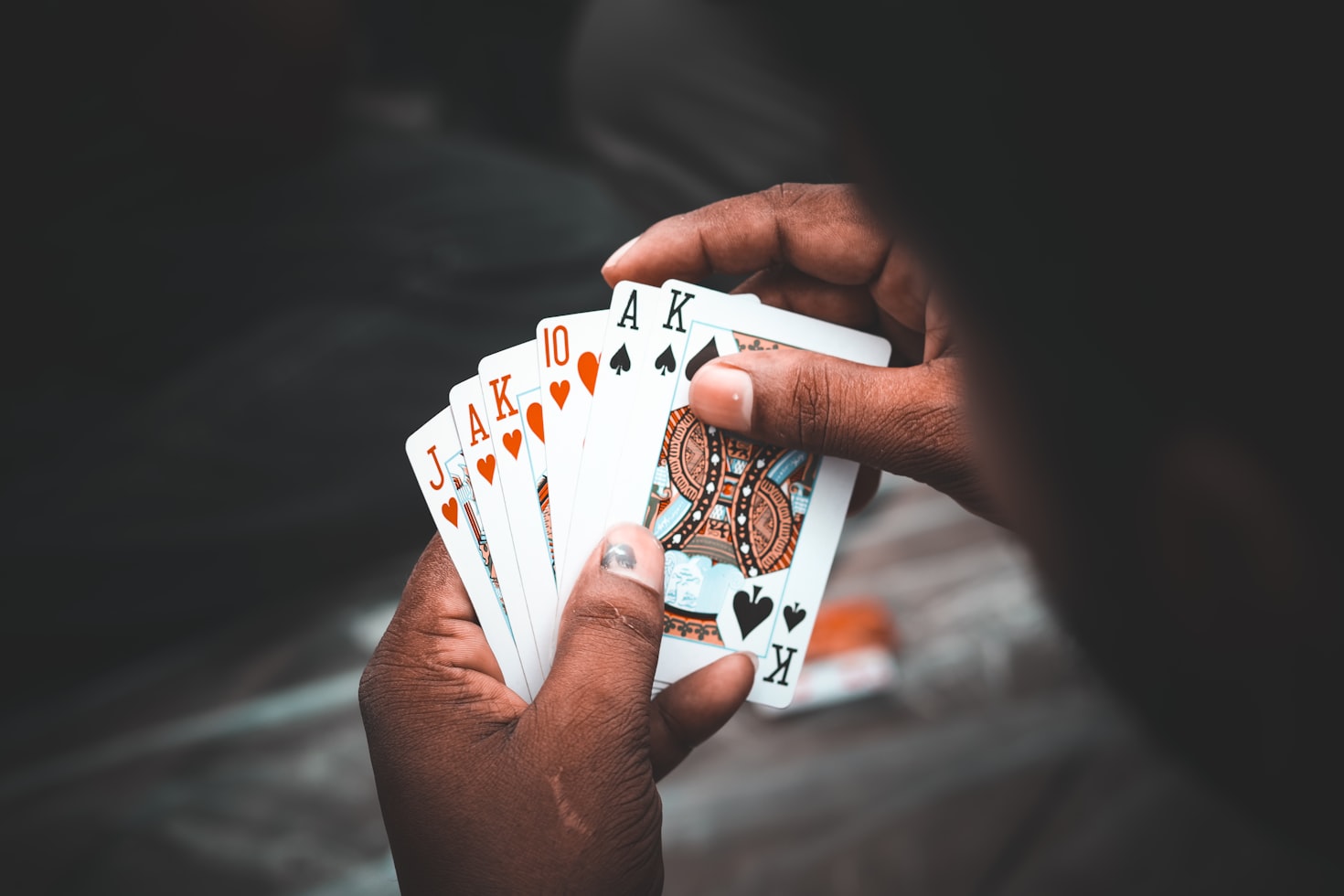
Moreover, the impulsive behavior often exhibited in gambling settings can be attributed to cognitive biases, such as the illusion of control and the gambler’s fallacy. These mental shortcuts can lead players to believe they have an influence over random outcomes, making the act of betting more enticing. Understanding these dynamics reveals much about why individuals continue to engage in gambling despite the inherent risks involved.
The Role of Environment
The environment in which casino betting occurs significantly impacts decision-making processes. Casinos are designed to create an immersive experience, filled with stimulating visuals, sounds, and scents that heighten arousal and distract from the possibility of loss. This crafted atmosphere can lead to a phenomenon known as “loss aversion,” where players are more motivated to bet after experiencing a loss in hopes of recouping their money.
Furthermore, the social aspect of gambling cannot be overlooked. Players often find themselves in high-energy environments surrounded by others who share the same pursuit. This social reinforcement can lead to a sense of community and belonging, encouraging continued participation in betting activities. The combination of a stimulating environment and social pressure can significantly alter an individual’s perception of risk and reward.
Cognitive dissonance plays a crucial role in gambling behavior, as individuals often experience conflicting thoughts and feelings about their betting habits. Many gamblers may rationalize their decisions through various justifications, focusing on occasional wins while minimizing the reality of losses. This mental conflict allows players to maintain their betting habits even when the odds are not in their favor.
Additionally, the notion of “sunk cost fallacy” can lead individuals to continue betting as they want to avoid acknowledging losses. Instead of walking away after losing money, players might believe that further betting will yield better results. This psychological trap keeps individuals engaged in gambling, often leading to deeper financial and emotional turmoil.
Different strategies employed in casino betting can reveal much about an individual’s decision-making process. Some players may adopt a more systematic approach, using mathematical models to determine odds and make informed bets. Others may rely on intuition and gut feelings, leading to more spontaneous and emotionally-driven decisions. Understanding these strategies can shed light on how various personality types engage with gambling.
Moreover, the concept of “loss chasing,” where players attempt to recover losses by increasing their bets, is a common strategy that can often lead to destructive cycles. This behavior underscores the need for self-awareness in gambling practices. Recognizing personal tendencies can empower individuals to make healthier choices in their betting experiences.

This website serves as a comprehensive resource hub for individuals seeking to understand the complexities of gambling behavior. Through in-depth insights and analyses, we aim to enlighten our visitors on the psychological factors influencing decision-making in casino settings. Our goal is to promote responsible gambling by providing valuable information and tools tailored to enhance user experiences.
By exploring topics such as the psychology behind betting, our content encourages critical thinking and self-reflection among users. We strive to empower individuals with knowledge and understanding, enabling them to navigate their gambling experiences with greater awareness and mindfulness.